

Mobile Banking App Modernization
Our collaboration involved migrating the platform to the cloud, providing access to a scalable and highly available database in a service-based model, with billing based on actual usage of computing resources.
Project Scope
Our client is a mid-sized commercial bank operating in one of the Central and Eastern European markets. It serves retail customers, small and medium-sized enterprises, and corporations, with approximately half a million users relying on its services.
Our collaboration involved migrating the platform to the cloud, providing access to a scalable and highly available database in a service-based model, with billing based on actual usage of computing resources.
Client
A bank serving retail customers, SMEs, and corporations
Solution
Migration of the mobile banking platform to the cloud
Outcome
3 months were enough to successfully complete the cloud migration
Project Objective
Mobile Banking App Modernization
The benefit of the collaboration was immediate access to tools for building automated CI/CD processes. Because the client lacked in-house expertise in this area, it sought an experienced partner to support the bank’s team in migrating the platform and performing the necessary code optimization.
Our goal was to provide advisory support, coordinate the activities, and manage the migration process end-to-end. After evaluating available solutions, costs, and benefits, the bank selected Google Cloud as its cloud platform and began working with Ailleron, a certified Google Cloud Partner, to provide IT consulting, implementation support, and migrate the platform to the cloud.
Business Challenges
1. The Client’s Mobile Banking Channel
Mobile Banking as a Key Digital Customer Service Channel
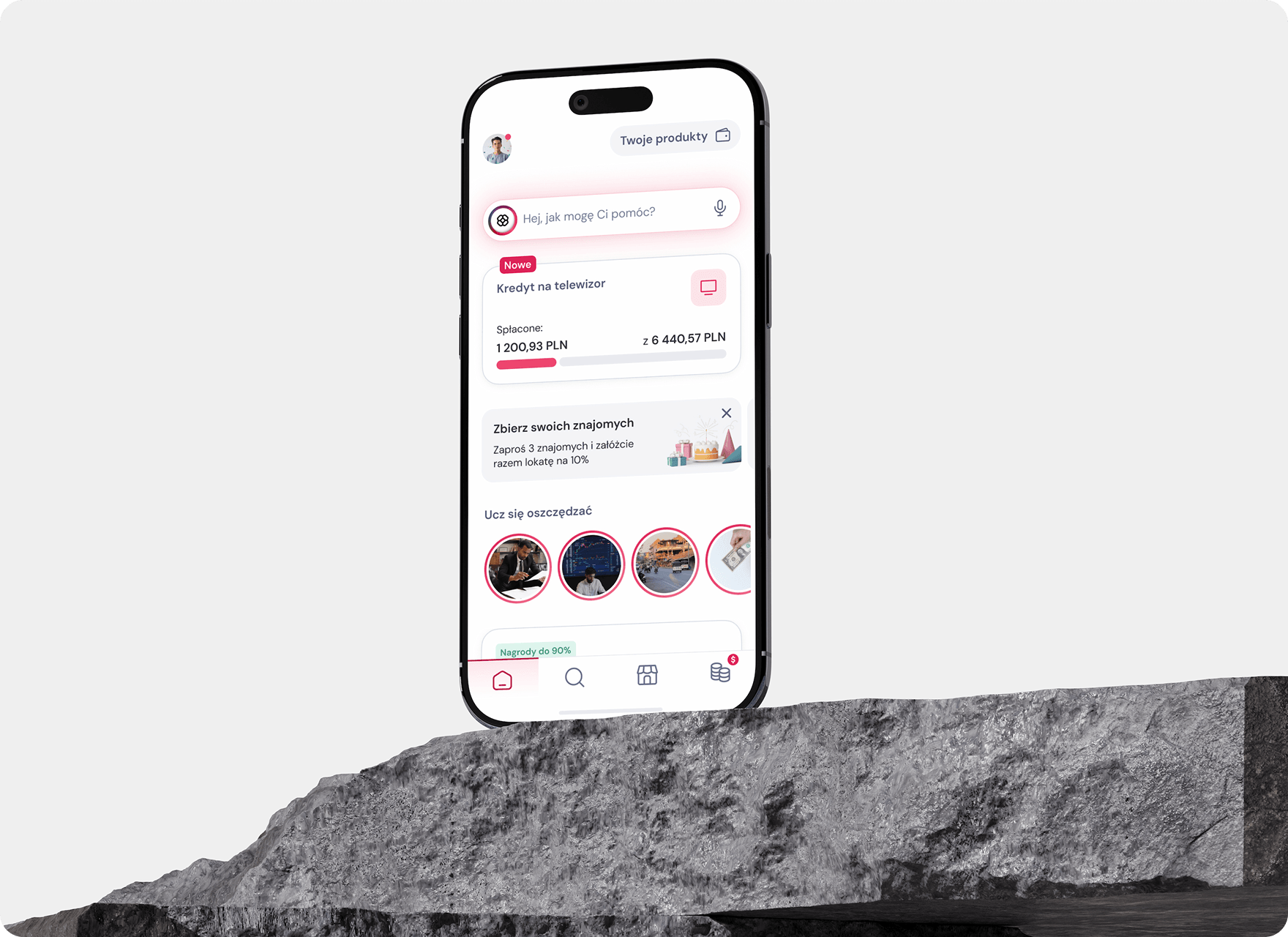
Among the bank’s digital channels, mobile banking plays the most important role due to the rapidly growing number of active users, currently at around 300,000; a high login frequency of approximately 30 times per month, which is about three times higher than for online banking; and its critical role in mobile payments and securing payment card transactions through 3D Secure.
An Innovative Mobile App Tailored to Customer Needs
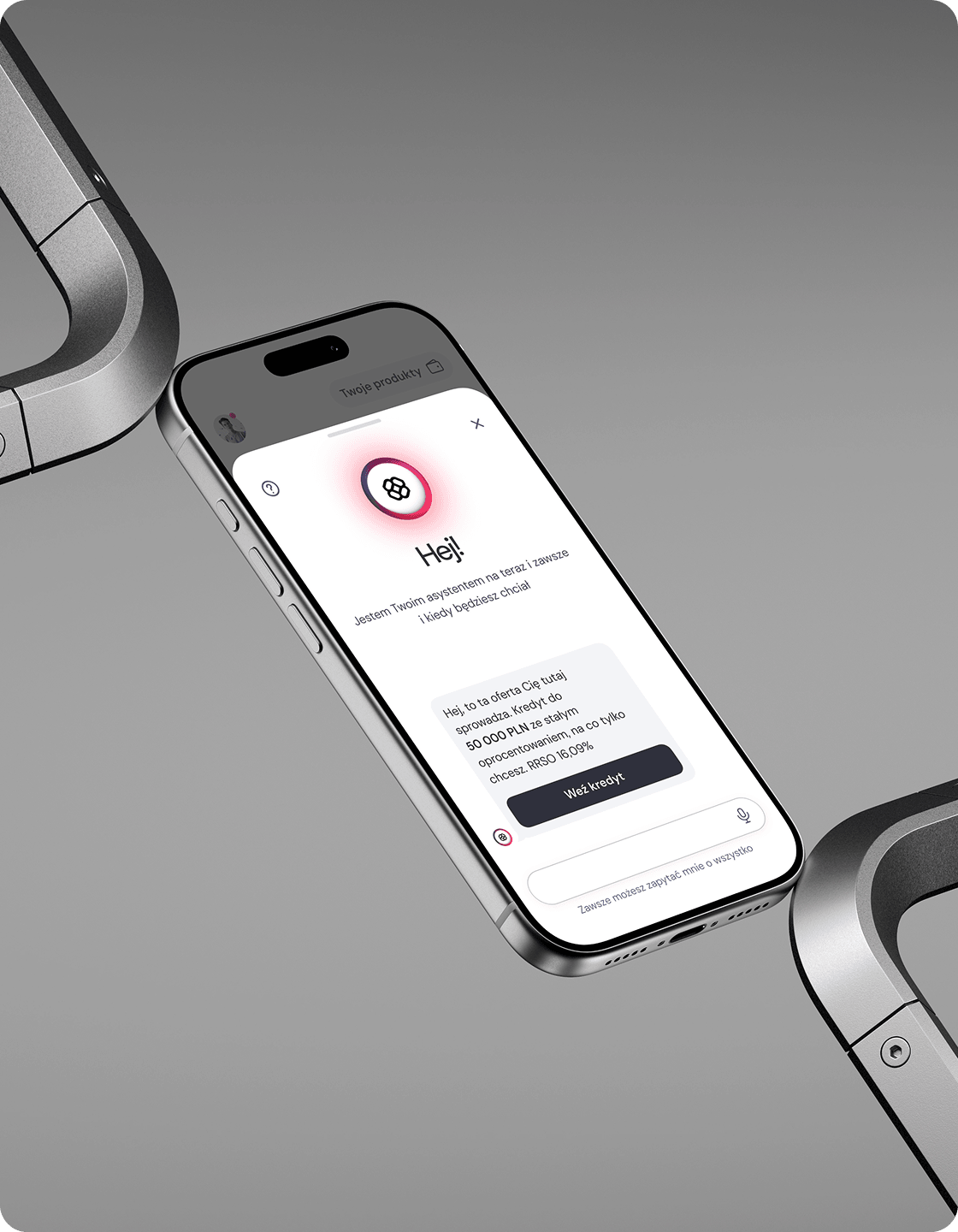
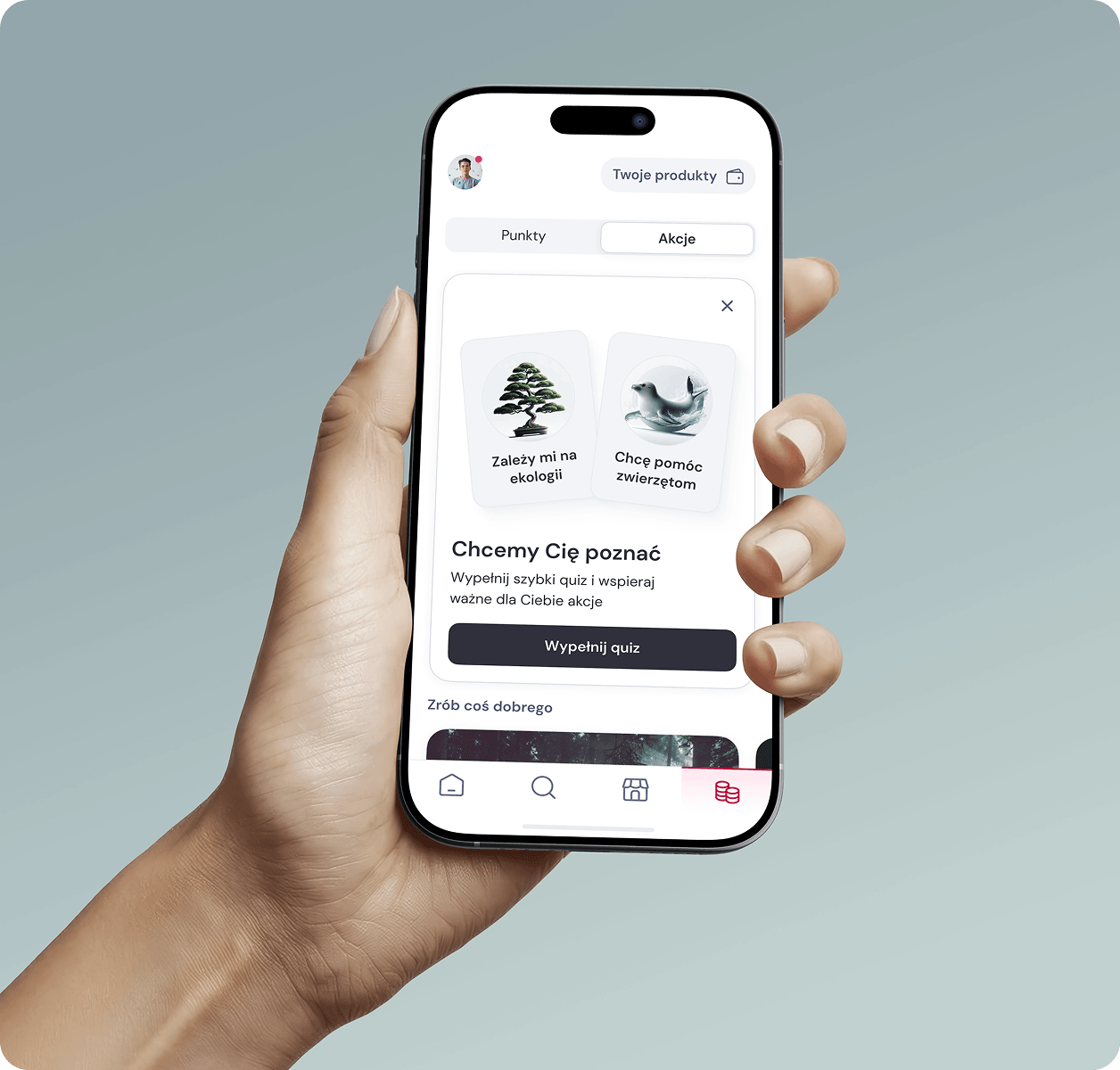
The bank’s mobile app is perceived by the market as an innovative solution. It supports both retail and business customers and enables a wide range of payment methods, including instant interbank transfers, e-commerce transactions, Apple Pay and Google Pay payments, 3D Secure authentication, and cardless ATM withdrawals.
Modern Architecture Built on Scalable Technologies
The mobile banking platform was designed and launched several years ago using a modern technology stack that includes native applications built in Kotlin and Swift, a microservices architecture, and an Oracle database. The environment is managed using OpenShift.

On-Premises Infrastructure Ready to Handle Periodic Spikes in Demand
The platform operates in an on-premises environment, with the hardware infrastructure providing sufficient performance and capacity to handle periodic spikes in demand – both regular peaks associated with payday periods and seasonal surges such as Black Friday, post-Christmas sales, and summer sales.

2. The Bank’s CTO Identified the Main Challenges Related to Maintaining the Mobile Platform
High Infrastructure Expansion Costs
High Costs of Maintaining Resources Across Different Environments
High Database Licensing Costs
Project Implementation
The Journey to Google Cloud
As part of the preparations for migrating the mobile banking platform to the cloud, we carried out a series of optimization activities. We used Google Kubernetes Engine to replace the existing OpenShift solution, implemented the native Google Cloud SQL for PostgreSQL service to reduce database licensing costs, and planned the data migration to PostgreSQL.
Following the successful migration, the bank’s representatives expressed their willingness to continue the collaboration. They also entrusted us with monitoring the environment and helping optimize Google Cloud usage costs.
Scope of Collaboration
Cloud Migration Step by Step
Migration from OpenShift to Google Kubernetes Engine
Configuring Cloud SQL for PostgreSQL
Data Migration to Cloud SQL for PostgreSQL
Migration to the Production Environment


Project Results

Smooth Migration to the Cloud
- After receiving the green light from the CTO, we assembled a team together with the bank's experts and began implementing the previously agreed-upon plan.

Infrastructure Flexibility and Cost Reduction
- The bank has gained full flexibility in utilizing its infrastructure capacity, while maintaining high availability and reducing the costs of maintaining multiple environments.

Modern Architecture on Google Cloud
- Google Cloud is responsible for services related to the Cloud SQL database, the GKE Kubernetes cluster, asynchronous communication, and security patches.

Software Lifecycle Automation
- Fully automated release management and CI/CD processes were implemented, which helped reduce the potential risk of human error and improve the quality of the software development process. The bank also eliminated database licensing costs from its IT budget.
Recommended Articles
How to Design Exceptional Customer Experiences Without Losing Customers in the Era of New Regulations?
Gabriela Kocurek
Managing Senior Associate at KWKR Law Firm

How to Design Exceptional Customer Experiences Without Losing Customers in the Era of New Regulations?
Gen Z Has Raised the Bar – Why “Intuitive” Means Something Different Now?
Izabela Wójcikowska
UX Designer

Gen Z Has Raised the Bar – Why “Intuitive” Means Something Different Now?
Leasing
Why More Leasing Companies Should Be Testing Business Concepts? Customer Onboarding PoC at Millennium Leasing
Waldemar Stelmach
Delivery Director

Why More Leasing Companies Should Be Testing Business Concepts? Customer Onboarding PoC at Millennium Leasing
Your digital product from
good to “wow”
Partner with us for a digital journey that transforms your business ideas into
successful, cutting-edge solutions.
